Buying a truck from a Chinese factory is straightforward once you know the sequence. Most of the trouble first-time importers run into comes from doing steps out of order — ordering a right-hand-drive unit for a left-hand-drive country, releasing a deposit before seeing the engine running, or discovering at the port that the seller cannot export in their own name.
Here is the full path, from first message to keys in your hand. It is how we run every order.
The seven steps
Define the duty cycle, not the model name
Before you compare trucks, write down what the truck will actually do: load type, typical route length, road condition, daily hours, and whether it works in a pit or on a highway. That description decides whether you need a tipper, a tractor head, a tanker or a mixer — and it decides horsepower and body size.
Send that description rather than a brand name, and any competent supplier will come back with two or three configurations instead of one guess.
Get a written specification sheet and a firm price
You should receive a document listing drive type, engine rating, body or tank capacity, cab type, drive side, tyres, year on documents, and the price term — FOB or CIF, with the named port.
Anything that matters to you belongs on that sheet: body steel thickness, tank baffles, fifth-wheel size, air conditioning, spare wheel count. If it is not written, it is not ordered.
Verify the actual unit
Ask for the engine number and a video of the engine running with the gauge visible, a walk-around of the frame and body, and photos of the cab interior and hour meter. If the unit is still being refitted, ask for stage photos as work progresses.
A supplier who cannot produce a running video is a supplier to walk away from, however good the price looks.
Sign the proforma invoice and pay the deposit
The PI is your contract. It must carry the seller's full legal company name, bank details, the complete specification, the price term and port, delivery window, and the documents the seller will provide.
Standard terms in this trade are a deposit on order with the balance before shipment. A deposit protects both sides: it lets the factory commit steel and labour, and it is released against a unit that matches the agreed sheet.
Refit or build window
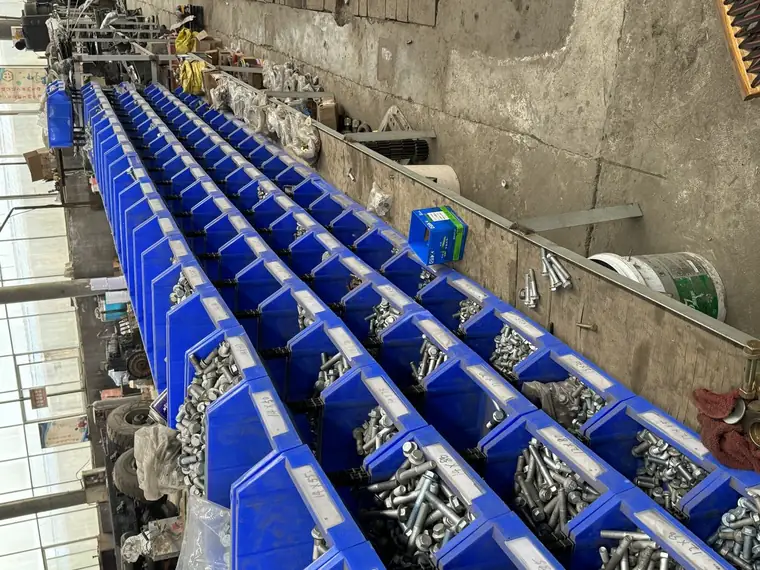
Stock units move quickly. Custom refit — a different body size, a wear liner, extra tankage, a repaint in your livery — adds weeks. Agree the delivery window in writing at this stage, and ask for progress photos at fixed intervals rather than one photo at the end.
Export documents and shipping
Once the balance is settled the unit is booked on a vessel. You should receive the commercial invoice, packing list, bill of lading, certificate of origin, and copies of the export licence and customs declaration.
FOB means the seller delivers the truck on board at the named Chinese port and you control the freight. CIF means the seller arranges and pays freight and insurance to your port. CIF is simpler for a first order; FOB is cheaper once you have your own forwarder and regular volume.
- Roll-on/roll-off — the truck is driven on and off the vessel. Usually the cheapest option for a complete, running vehicle.
- Break-bulk — lifted by crane onto a general cargo vessel. Used when RoRo space is unavailable.
- Container — viable for smaller units, but adds loading, securing and unloading cost.
Transit time depends on the carrier and the season. Treat any quoted figure as indicative and confirm the actual sailing with the forwarder at booking, because schedules change.
Clearance at your port
Budget for duty, VAT, port charges, clearing agent fees and inland transport before the truck arrives, not after. Your clearing agent needs the bill of lading, invoice, packing list and certificate of origin as early as possible — send them the moment you receive them.
Check your country's import rules first
Many African countries set a maximum age for used vehicle imports and require a pre-shipment inspection or conformity certificate before the unit is allowed in. The limits and the accepted inspection bodies differ by country and are revised from time to time.
Do this before you pay anything. Confirm the current age limit, the required pre-shipment inspection, and the duty band for your vehicle category with a local clearing agent or the revenue authority in your country. A truck that is compliant in one market may be refused entry in the next one, and that is a decision no supplier can make for you.
The four mistakes that cost the most
Ordering the wrong drive side. Left-hand drive for Ghana, Nigeria and most of West Africa; right-hand drive for Kenya, Tanzania, Uganda, Zambia, Zimbabwe and South Africa. This cannot be corrected after arrival.
Buying on photos alone. A clean cab hides a tired engine. Insist on video of the unit running, with the instruments visible.
Ignoring the body specification. Two trucks described as "20 m³ tipper" can differ by several millimetres of steel. On rock and ore work that difference is the life of the body.
Using a seller who cannot export. If the invoice is issued by a trading intermediary with no export rights, your documents can stall at the Chinese end. Confirm the exporter's name and that it appears on the export declaration.
Where we sit in this chain
We are a refit workshop and exporter in Liangshan, Shandong — the cluster where most Chinese heavy trucks are rebuilt and prepared for export. We buy, refit, test and export in our own name, Shandong Jupeng Import & Export Co., Ltd., which means one party is responsible from the first message to the bill of lading.
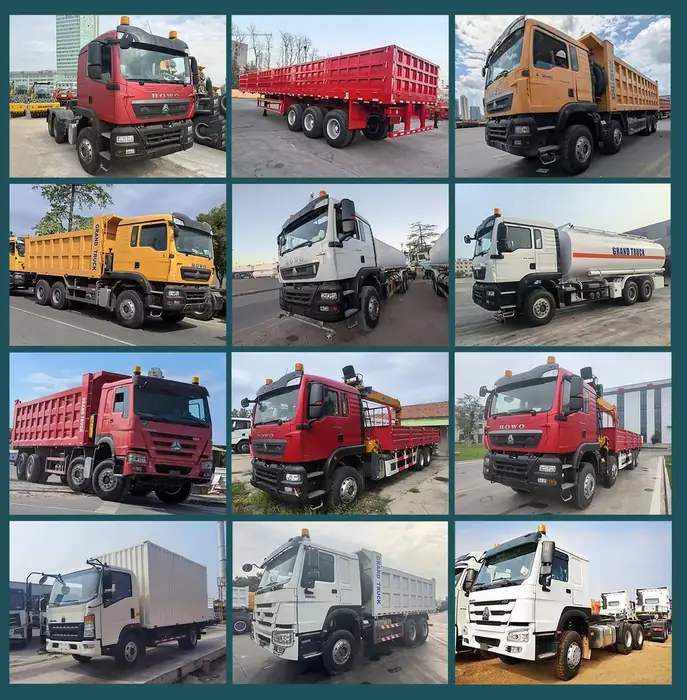
We handle HOWO, SITRAK and SHACMAN tipper, tractor, tanker, mixer and crane units, in left- or right-hand drive, with body size and horsepower built to your route rather than to a catalogue.
Start with your route and load
Tell us the country, the port and what the truck will carry. We will come back with a configuration and a firm price.
Chat on WhatsApp